01 / Grow & care
Life Forms
Work with Life Forms
Curriculum connections
Agriculture · Gardening · Biodiversity
Under the DotBot umbrella
- Agriculture Skills
- Horticulture Skills
DotBot 9D Future Skills Lab
Bring nine future skills to students from Grade 2 to Grade 12—with hands-on projects, a structured curriculum and expert support.
Tactile scientific exploration, materials science, and physical engineering challenges that build early problem-solving intuition.
Learn by making
Grade 2 to Grade 12
Support from day one
Beyond the classroom
The DotBot Skills Universe
Curriculum designed for students from Grade 2 to Grade 12, aligned with NEP 2020’s emphasis on experiential learning.
STEM brings science, technology, engineering and mathematics into a shared conversation. Science asks how the world works, mathematics helps describe patterns, engineering explores possible solutions and technology gives us ways to put ideas into practice. Together, these perspectives encourage learners to move between observing, imagining, measuring and making.
Its appeal begins with familiar questions: why does something balance, what makes a structure stable, or how can an idea be represented more clearly? The value lies in explaining a choice and reconsidering it after a test. An unexpected result can open a better question, turning curiosity into a thoughtful habit rather than a search for a single correct answer.
Read the lab planning analysis →Space science begins with looking up and asking what lies beyond the familiar. It brings together observation, motion, light, scale and the effort to understand distant places through evidence. The sky becomes a setting for questions about patterns, change and our place in a much larger world.
This dimension connects imagination with careful explanation. Drawings and models can help us think about relationships that are difficult to picture, while observations remind us to distinguish what we see from what we infer. Exploring space also invites reflection on Earth: how we observe our own planet, communicate across distances and make sense of information gathered far away.
Read the lab planning analysis →Mechanical thinking explores how objects move, how structures hold their shape and how connected parts influence one another. It offers a way to look beneath the surface of familiar objects and ask what each part contributes. Motion and stability become ideas to describe, compare and explain.
A mechanism can be understood as a relationship between an input and an outcome. Following that relationship invites attention to shape, arrangement, materials and the compromises within a design. This dimension encourages careful observation and spatial reasoning, with an emphasis on understanding why an arrangement behaves as it does rather than simply admiring that it moves.
Read the lab planning analysis →Electronics explores the behaviour of circuits and the ways electrical signals can carry information. Behind many familiar devices is a relationship between power, connections, inputs and outputs. Understanding that relationship makes apparently invisible processes easier to discuss.
This dimension invites a systematic way of thinking. A circuit diagram represents connections; an observation records a response; an explanation links the two. Following a signal through a system encourages patience and attention to detail. It also creates a bridge to robotics and connected devices, where physical events become information that a system can use.
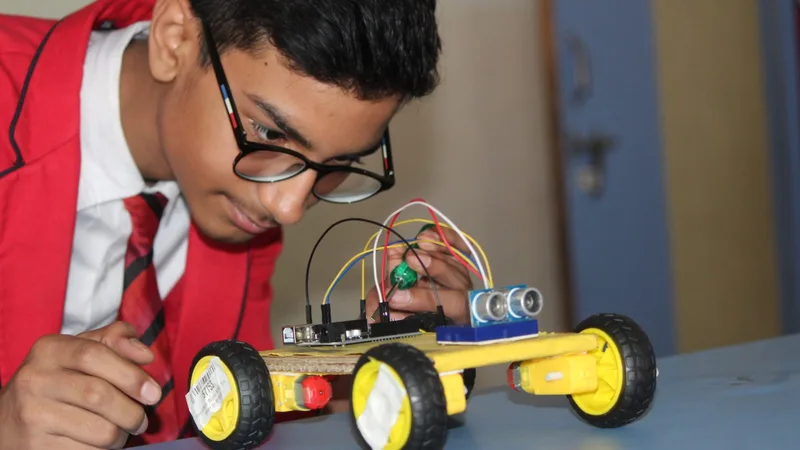
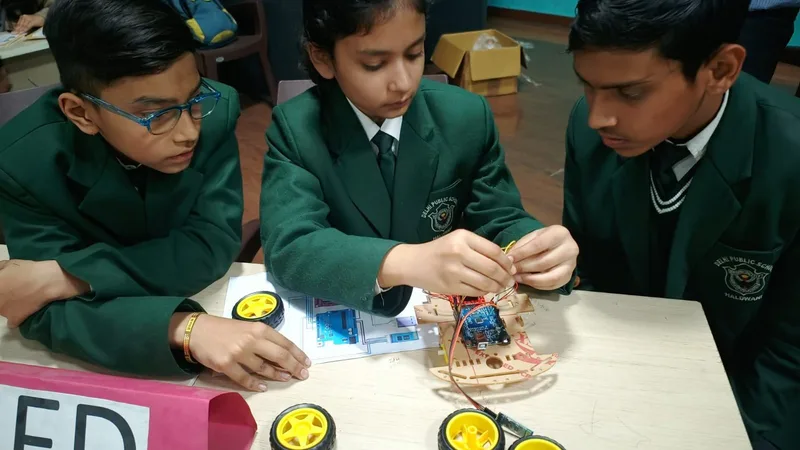
Read the lab planning analysis →Robotics brings physical movement together with information and control. A robot can be considered through the task it performs, the information it receives and the way its parts produce a response. Its appearance is only one small part of that story.
The subject connects mechanisms, electronics and computational thinking. It invites questions about clear instructions, changing conditions and the difference between an intended action and an observed result. Exploring those questions can make an automated system easier to understand and discuss, while keeping human choices and the purpose of the system in view.
Read the lab planning analysis →3D printing connects a digital design with a physical form through additive manufacturing. It makes the relationship between shape on a screen and shape in the real world especially visible. Thinking about that relationship brings together geometry, proportion, purpose and materials.
The deeper interest lies in the design process. A shape must be considered from different viewpoints and in relation to what it is meant to do. A physical version can reveal questions that were difficult to notice in a drawing. This dimension encourages a cycle of imagining, representing, examining and refining rather than treating a finished object as the only meaningful outcome.
Read the lab planning analysis →Artificial intelligence is a broad field concerned with computational systems that perform tasks associated with capabilities such as recognising patterns, interpreting language or making predictions. Some approaches use examples to develop models; others use explicitly structured knowledge or rules.
Understanding AI involves more than admiring an output. It invites questions about the information a system uses, the task it is meant to support and the limits of its conclusions. This dimension connects computational ideas with critical judgement, encouraging readers to examine uncertainty and the role of people in choosing, interpreting and applying a system’s results.
Read the lab planning analysis →The Internet of Things describes networks of physical objects that can gather or exchange information. It links what happens in a physical setting with data that can be communicated, interpreted and sometimes used to guide a response.
A connected system is more than a collection of devices. Its meaning comes from the purpose of the information and the relationships between sensing, communication and action. This dimension invites systems thinking alongside questions about useful data, reliability and privacy. It encourages readers to ask why a connection is needed and what value the resulting information adds.
Read the lab planning analysis →Drones bring together the ideas of flight, sensing, communication and control. They invite questions about how an aerial system maintains a useful relationship between movement and its surroundings. Their distinctive appeal is the ability to consider a place from a different viewpoint.
This dimension connects mechanical design with electronics and computational thinking. It also encourages reflection on purpose: what an aerial perspective helps reveal, how information should be interpreted and how a system relates to the people around it. The focus is on understanding the ideas behind flight and control rather than on operating instructions or particular aircraft.
Read the lab planning analysis →The three key domains of a Composite Skill Lab
Grow living things. Make useful things. Work with people.
How DotBot connects the three
DotBot’s 9 Labs form the technology core. Its wider skills umbrella brings agriculture, horticulture, finance, hospitality and people skills into your school’s CSL plan.
Work with Life Forms
Agriculture · Gardening · Biodiversity
Work with Machines and Materials
Electronics · Coding & digital making · Tools & materials
Work in Human Services
Finance · Tourism · Hospitality
Connect these domains with your school’s space, grade groups and teaching arrangements.
The three Forms of Work follow NCF-SE 2023 and NCERT’s Kaushal Bodh. Curriculum connections draw on NCERT activities and CBSE skill subjects; the DotBot skill lists show how the owner’s stated offering maps to these domains. Schools select activities and confirm requirements for their grades.
How we work with your school
A clear plan, shared responsibilities and support throughout.
Let us know your school would like to explore a DotBot Lab.
We visit your school for a presentation and explain the lab, learning plan and setup.
Our team visits your school to review the room, available facilities and what needs to be prepared.
Lab hardware and the required software, with setup.
Furniture, infrastructure and safety tools.
Choose DotBot instructors or training for your teachers.
We plan the schedule together for regular classes and one-time workshops (OTWs) in related skills from other domains.
DotBot takes care of inventory management and regular lab maintenance, so the lab stays ready for learning.
DotBot Academic Family
Our academic partners bring subject knowledge, teaching experience and practical skills together to empower programmes at DotBot 9D Future Skills Lab.

School programme foundation

Robotics & computational thinking

Life Forms & sustainability
Learning beyond school hours

Human Services & job skills

Digital systems & implementation
Shared expertise.
More possibilities for every learner.
Schools · Skills · Shared milestones
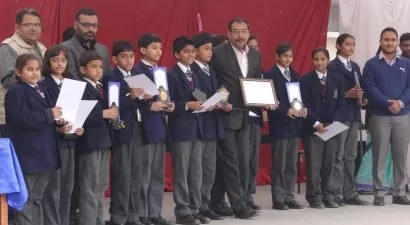
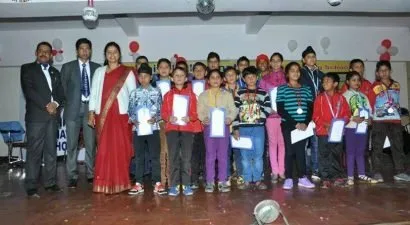
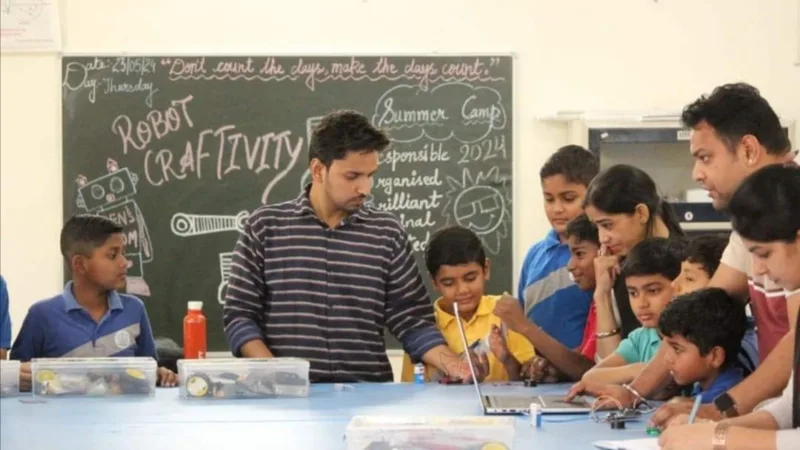
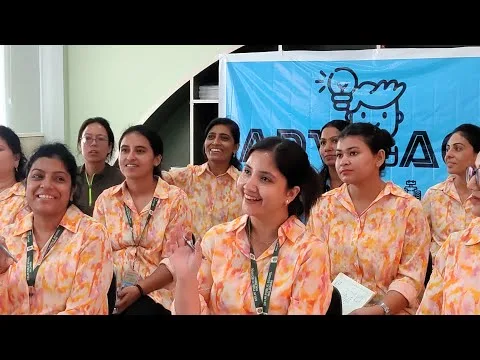
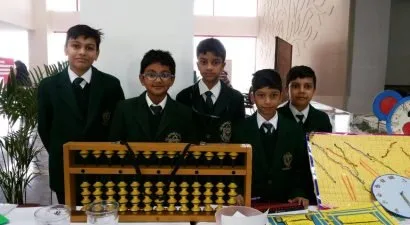
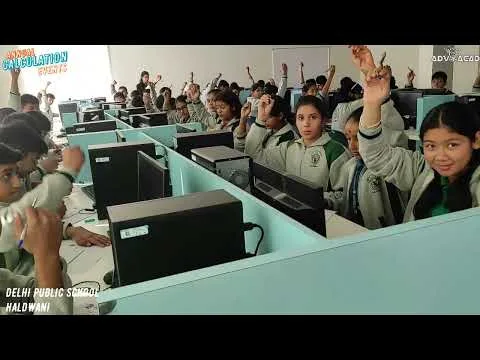
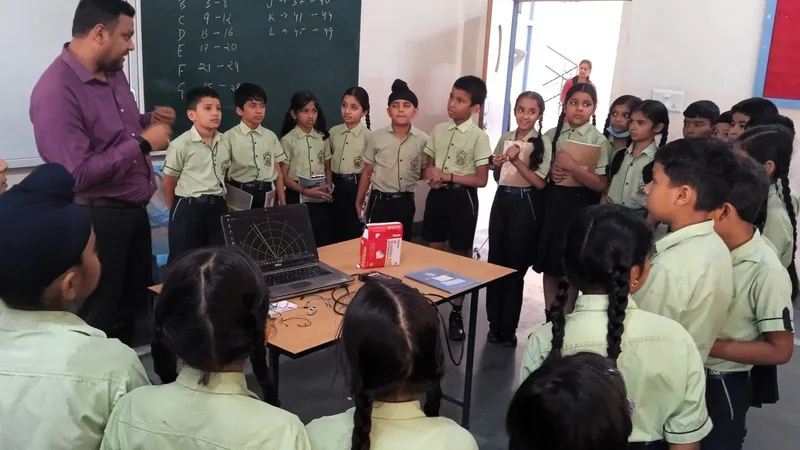
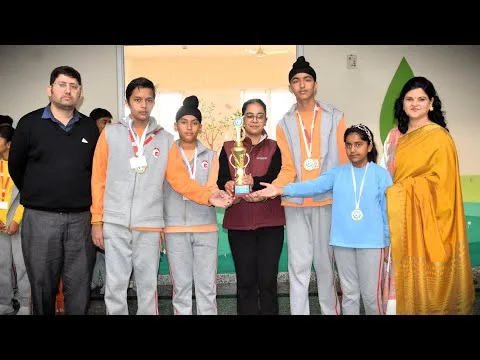
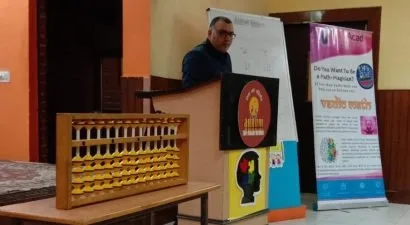
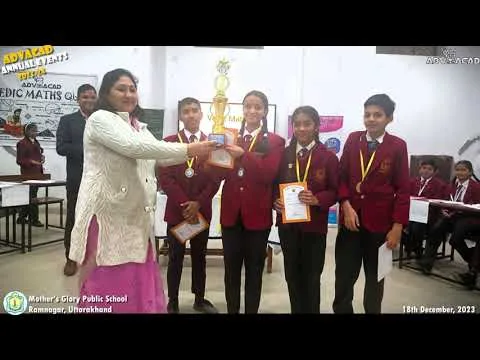
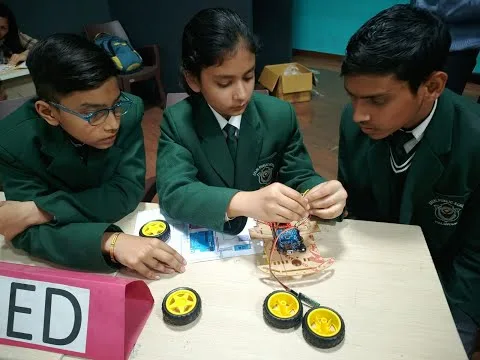
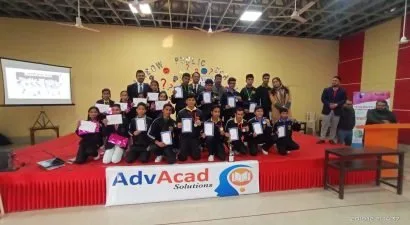
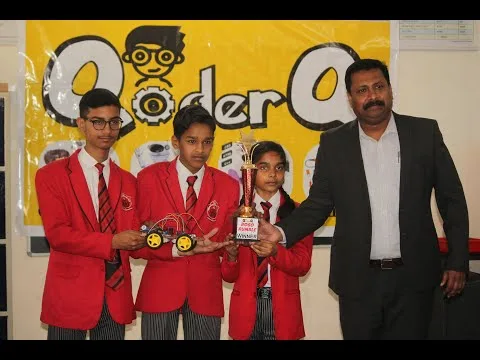
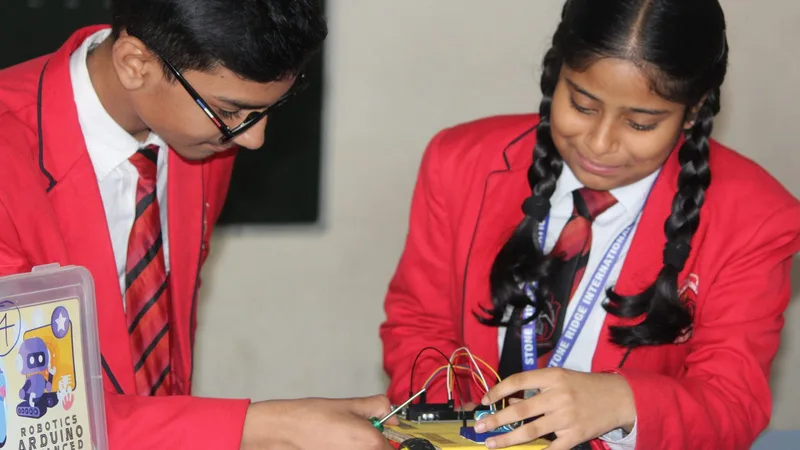
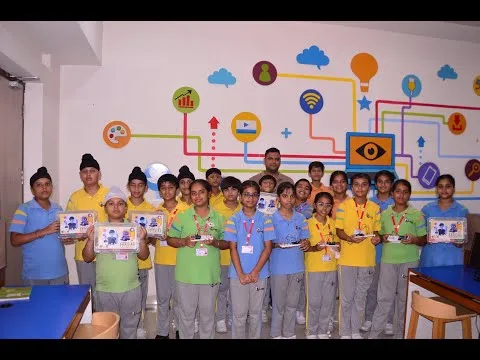
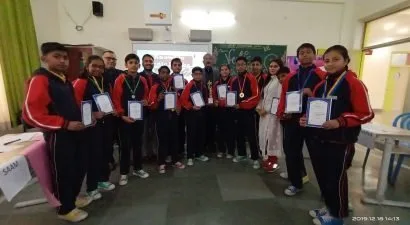
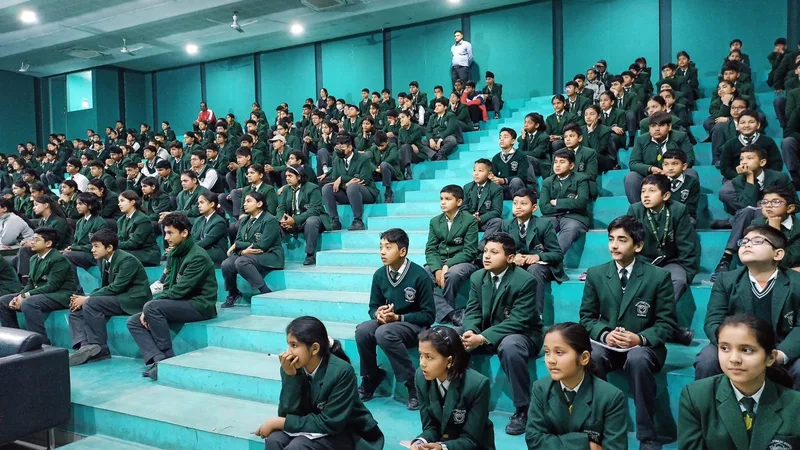
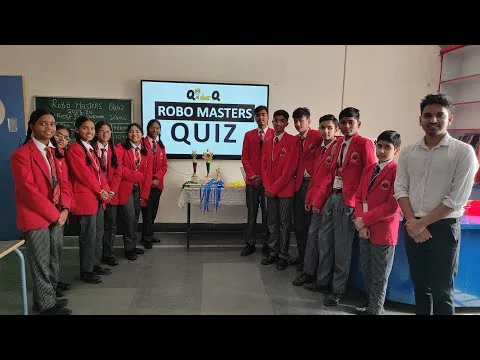
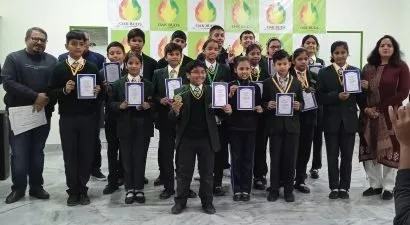
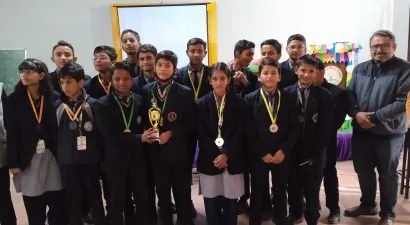
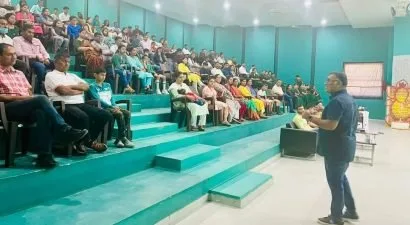
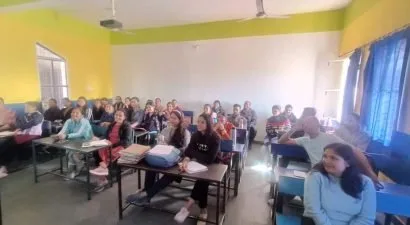
Moments from school programmes, hands-on workshops and teacher learning—bringing the academic journey of AdvAcad and QoderQ to life.
Our school connections
Celebrating the schools we have served and continue to serve—through skill programmes, student workshops and teacher learning.
Owner-confirmed current associations lead the directory, followed by programmes published as ongoing. Published “Till date” entries still need present confirmation. Historical records follow by latest known ending year; undated entries appear last. This directory records school programmes across our academic family; it does not indicate a DotBot Lab installation at every school.
Your questions, answered
From the first school visit to regular classes—here’s how DotBot can work with your school.
Discuss your school’s needsDotBot 9D Future Skills Lab has a curriculum for students from Grade 2 to Grade 12. Activities and project challenges are planned for the age and learning level of each group. The grades covered at your school are agreed during planning.
CBSE Composite Skill Labs serve Grades 6–12 across three domains: Life Forms, Machines & Materials, and Human Services. DotBot brings together its 9 Labs and wider skill programmes to support learning across these domains. Our team helps your school connect its learning priorities with the applicable CBSE guidance.
After an on-site space review, DotBot sets up the agreed lab hardware and required software. The school provides furniture, infrastructure and safety tools. We review the available space and existing resources together, then confirm the equipment, preparation work and responsibilities in the proposal.
Yes. We can provide a resource person or resource persons to conduct classes, or train your school’s teachers to deliver the programme. The teaching arrangement and number of educators are agreed with your school before classes begin.
Our team works with your school to plan a timetable for regular classes. We also schedule relevant One Time Workshops (OTWs) to introduce skills from other domains within the DotBot umbrella. The schedule is agreed around your school’s calendar and teaching needs.
DotBot supports the smooth running of the lab through inventory management and regular maintenance. The proposal sets out the support arrangements, maintenance schedule, consumables and replacement responsibilities so the school knows what is covered.
The cost depends on the space, equipment, grades covered and teaching arrangement your school chooses. After discussing these requirements, we provide a school-specific proposal with the setup costs, ongoing charges and school responsibilities clearly identified.
Send us an enquiry to express your interest. Our team will arrange a school visit and presentation to explain the lab. Once both sides agree to proceed, we review the space, confirm the plan, set up the lab and prepare the class schedule.
Bring DotBot to your school
Tell us about your school. Our team will arrange a presentation and discuss your space, learning goals and teaching needs.
Your students’ next big idea could start here.Take the first step towards a Future Skills Lab at your school.
Request a school presentationComplete a short enquiry, then review and send your message on WhatsApp.